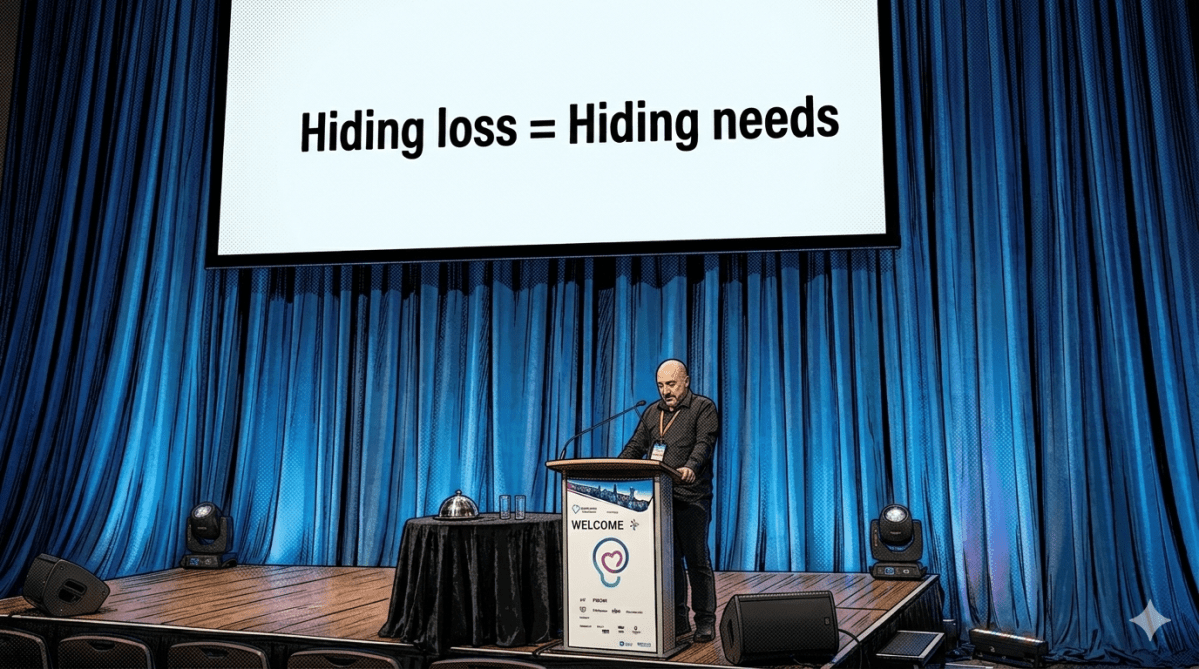
Beyond the Audiogram : Lessons from both sides of the desk
On April 23, 2026, I presented at the Australian College of Audiology Conference, sharing my personal experiences with hearing loss as both a patient and clinician. I emphasized the distinction between measurable hearing capabilities and the daily challenges faced, highlighting the importance of understanding and advocating for those with hearing loss in clinical settings.
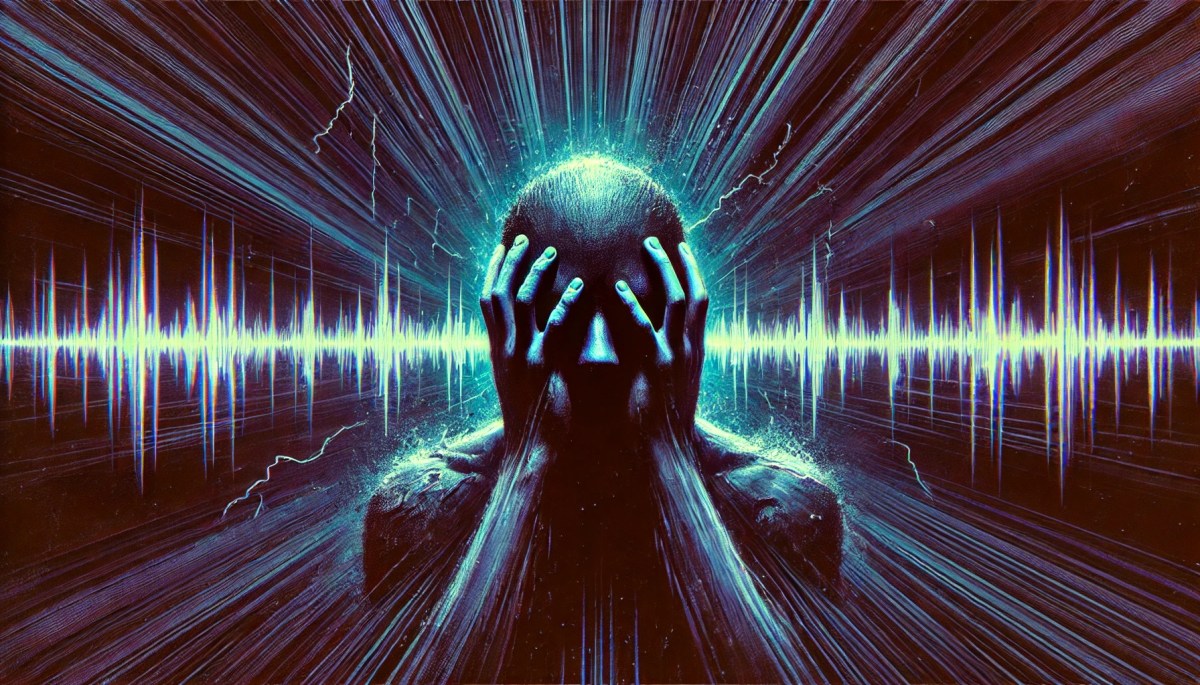
“Endless Ringing” (A Song About Tinnitus)
A song that depicts the profound struggle of a woman tormented by relentless tinnitus that overshadows her existence. Despite seeking peace, she finds only despair, as medical professionals dismiss her plight. The repeated cries for help emphasize her isolation and desperation, longing for relief from the haunting sound that dominates her life.

Holidaying with hearing loss: How to travel confidently without missing out
Facing the fun chaos at Aqua Park with my kids was a real dilemma—should I wear my cochlear implant aqua kit and risk losing it in the water, or just go without and miss out on the sounds? Traveling with hearing loss comes with challenges, but it shouldn’t stop you from enjoying experiences. Just stay…
Hearing loss news from Healthy Hearing
Hearing News from The Hearing Review
- The 41st annual event will gather hearing health professionals, manufacturers, and advocates to discuss the latest in hearing assistive technology and advocacy from June 10–12, 2026.
- On World Assistive Technology Day, the organization highlights inequalities in affordability and support across Europe.
- Auditdata has launched a brief industry-wide survey to gather insights from hearing care professionals on staffing challenges, administrative workload, clinician burnout, and potential solutions to improve clinic efficiency.
- The system aims to provide insight into sensory hair cell development and potential pathways for regeneration.
- The event in Washington, DC, will feature a keynote on peak performance by behavioral scientist Dr Michelle Rozen and offer up to 15 CE credits.
Hearing loss news from ScienceDaily
- Using cannabis edibles and alcohol together may make drivers far more impaired than either substance alone, according to new research from Johns Hopkins. Even more concerning, common field sobriety tests often failed to detect the cannabis-related impairment.
- Getting enough vitamin B12 to meet current health guidelines may not actually be enough to protect the aging brain. Researchers at UC San Francisco found that older adults with “normal” but lower levels of active B12 showed signs of slower thinking, delayed visual processing, and more damage to the brain’s white matter — the communication […]
- Scientists have uncovered evidence that serotonin — the same brain chemical boosted by many antidepressants — may actually worsen tinnitus. Using advanced light-based brain stimulation in mice, researchers identified a serotonin-driven circuit linked directly to tinnitus-like behavior. The findings may explain why some people experience louder ringing in their ears while taking SSRIs.
- Scientists are uncovering a surprising link between hidden tooth infections and blood sugar problems. Deep infections around tooth roots can create chronic inflammation that spreads through the body and may interfere with insulin function. Studies found that people who underwent root canal treatment often experienced better blood sugar control and reduced inflammation afterward. The research […]
- A lifetime of mental stimulation—like reading, writing, and learning new skills—may help protect the brain as we age. People with the highest levels of cognitive enrichment had a much lower risk of Alzheimer’s and experienced symptoms years later than those with the lowest levels.
Hearing loss facts
Hearing loss is a global and national health crisis. It is an often misunderstood disability that has some very inaccurate stigmas attached to it. For the majority affected by hearing loss, the main difficulty comes from a lack of clarity of speech, especially when there is any background noise.
Hearing Loss does not only affect the elderly
- According to the World Health Organization, over 360 million people worldwide have disabling hearing loss.
- One in six Australians is affected by hearing loss. With an ageing population, this is expected to increase to one in four by 2050.
- Of the one in six affected, most believe their own hearing is fine. Around two in five say their hearing is “very good” or “almost perfect”, while one in four say their hearing is below average.
- Only 20% of the Australians who could benefit from a hearing aid actually use one.
- Nearly 40% of the hearing loss experienced by individuals was caused by Noise-induced Hearing Loss; this is preventable and repeated exposure to loud noise.
- In 2010, the National Acoustic Laboratories published the Binge Listening Report which revealed young Australians have a greater risk of acquiring a hearing loss through their leisure activities, (listening to music through headphones, regularly going to nightclubs and live music concerts)
- Nearly half of Australians is affected by hearing loss were working age (16-64 years)
- It roughly takes seven to 10 years, on average, before someone with hearing loss seeks treatment for it.
The effects of untreated hearing loss
Studies have linked untreated hearing loss effects to:
- Irritability, negativism and anger
- Fatigue, tension, stress and depression
- Avoidance or withdrawal from social situations
- Social rejection and loneliness
- Reduced alertness and increased risk to personal safety
- Impaired memory and ability to learn new tasks
- Reduced job performance and earning power
- Diminished psychological and overall health
Words describing deafness and hearing loss
There are no rights and wrongs about the words used to describe a person’s hearing loss. However, generally accepted definitions are as follows:
- Deafened – people who were born with hearing and have lost most or all of their hearing later in life.
- Hard of hearing – people who have lost some but not all hearing.
- deaf (lower case ‘d’) – people who have hearing loss; they may be born deaf or become deaf. They mix well in the hearing world and may communicate orally and may also be users of sign language.
- Deaf (upper case ‘D’) refers to people who are members of the Deaf community and who communicate almost exclusively with sign language.
- Hearing impaired – anyone with any level of hearing loss.
- Acquired hearing loss – people who were born with hearing but have lost some or all of their hearing.
- Congenital hearing loss – born with hearing loss which may become progressively worse
There a number of noteworthy past and present people in music, movies, and media who suffer from hearing loss
- Angus Young – Musician (AC/DC)
- Barbara Streisand – Actress
- Bill Clinton – Past U.S president
- Halle Berry – Actress
- Paul Stanley – Musician (KISS)
- Mark Ruffalo – Actor
- Stephen Colbert – Comedian
- Osher Günsberg – Television Presenter (The Bachelor Australia)
- Thomas Edison – Inventor
- Rob Lowe – Actor
- Millie Bobby Brown – Actress (Stranger Things)
- Eric Clapton – Musician
- William Shatner – Actor (Star Trek)
- Ludwig Van Beethoven – Composer
- Huey Lewis – Musician
- Whoopi Goldberg – Actress
- Lou Ferrigno – Body Builder/Actor (The Incredible Hulk)
- Robert Redford – Actor
- Jodie Foster – Actress





 Talking Hearing Loss