Living with hearing loss isn’t just about hearing aids or cochlear implants—it’s about utilising all of the tools that help bridge the gaps in everyday life. Over the years, I’ve used many assistive listening devices (ALDs), some revolutionary, others forgettable. But a few have truly changed how I live, work, and connect.
Here’s a personal and professional look at the devices that made a real difference for me— and might for you too.
🔊 The FM Microphone That Started It All
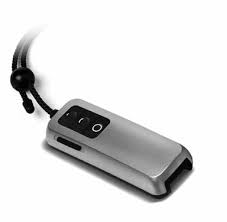
My first real experience with assistive technology came with the ZoomLink by Phonak. It was a simple, easy-to-use transmitter with built-in microphones and three mic modes you could switch between depending on the situation. I started using it during a time when I was working in a really toxic team environment—meetings were tense, communication was poor, and I was struggling to keep up.
The ZoomLink made a big difference. In work meetings where I’d usually be completely lost, it gave me access to what was actually being said. But what I really loved about it was the fact that I could plug in my iPad with a cable and stream audio straight to my hearing aid. That feature became my escape. In an environment where I constantly felt on edge, being able to zone out and focus on music helped me get through the day
📌 Takeaway: FM systems laid the groundwork for today’s wireless streaming. If you’re supporting a child or teen with hearing loss, don’t underestimate the power of a direct audio input.
📺 ComPilot: My First Taste of Streaming Independence
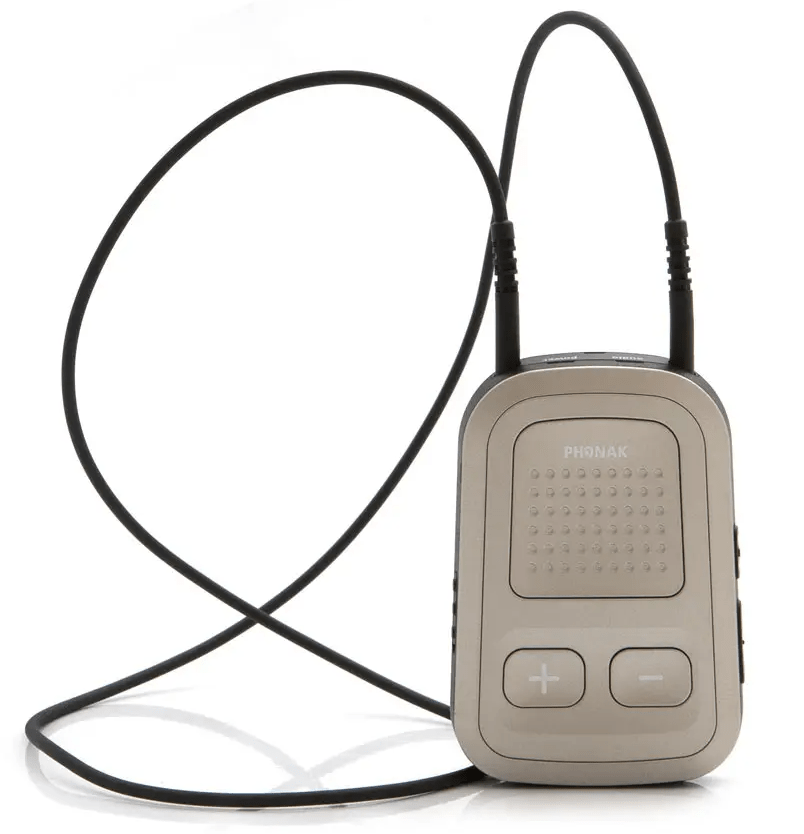
Before smart hearing aids and direct Bluetooth connections were common, there was the Phonak ComPilot—and for me, it was a game-changer. This little device gave me something I hadn’t really had before: control.
With the ComPilot, I could stream audio directly from the TV to my hearing aids. No more blasting the volume and hoping I caught enough of the dialogue. Suddenly, watching TV became something I could actually enjoy again.
But it didn’t stop there. I could also pair it with my mobile phone via Bluetooth. Phone calls, which had always been frustrating and full of guesswork, became far more manageable. Voices were clearer, background noise was reduced, and best of all, I didn’t have to hold the phone up to my ear.
🎧 Pro Insight: The ComPilot might feel like old tech now, but back then, it gave me a real sense of freedom—freedom to engage, relax, and actually hear what mattered.
🎤 Roger Pen : The ‘Swiss Army Knife’ for hearing loss
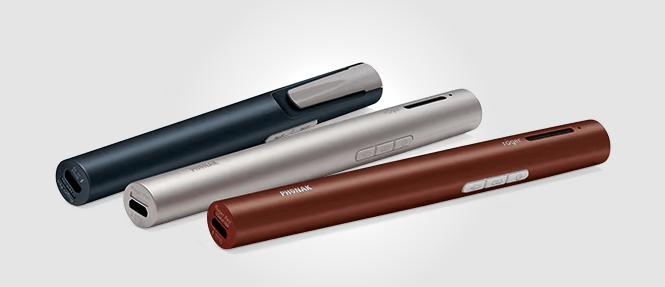
When I first got my hands on the Roger Pen, it felt like I’d gone from a Nokia 3310 (remember those?) to a top-of-the-line iPhone. Sleek, smart, and seriously powerful, it brought back clarity and nuance in conversations I hadn’t experienced in years. Whether clipped to someone’s shirt or placed on a table, it just worked—and it worked brilliantly.
I first came across the Roger Pen when I started as an audiometrist at Blamey Saunders hears. At the time, I was still studying and incredibly fortunate to be offered both a clinical placement and an internship by Dr Elaine Saunders herself.
Every Wednesday morning, we’d have a full team meeting in “the boardroom”—a big open-plan space that held around 20 to 30 staff members. It was a nightmare acoustically. No matter where I sat, I’d miss huge chunks of what was being said. It was frustrating and exhausting trying to keep up.
But that wasn’t the only challenge. I also had trouble conducting speech testing with clients. How could I assess how well someone was hearing speech when I couldn’t clearly understand them myself? My workaround was to grab another staff member to do the scoring while I ran the test. It got the job done, but it was awkward, and it slowed everything down.
Then came the Roger Pen—and everything changed.
Wednesday meetings were suddenly no longer a problem. I could sit anywhere in the room and still hear clearly. The Pen sat in the middle of the table and streamed voices directly to my hearing aid.
And speech testing? Simple. I’d hand the Roger Pen to the client to wear around their neck, and I could understand every word they said, without needing backup.
Honestly, the Roger Pen became my go-to tool—a real Swiss Army knife for managing hearing loss in professional settings. It gave me back control and confidence. Without it, I would’ve been lost. With it, I could function fully and independently as an audiometrist.
✔️ Why it works: Adaptive directionality, minimal delay, and seamless pairing with my hearing aids
👤 Pro Tip: If you struggle in group settings or noisy places, a Roger mic isn’t just helpful—it’s transformative.
📌 Takeaway: The Roger Pen has since been retired, now replaced with the Roger On which is even more versatile.
📞 Phone Recording Adapter: From Guesswork to Confidence
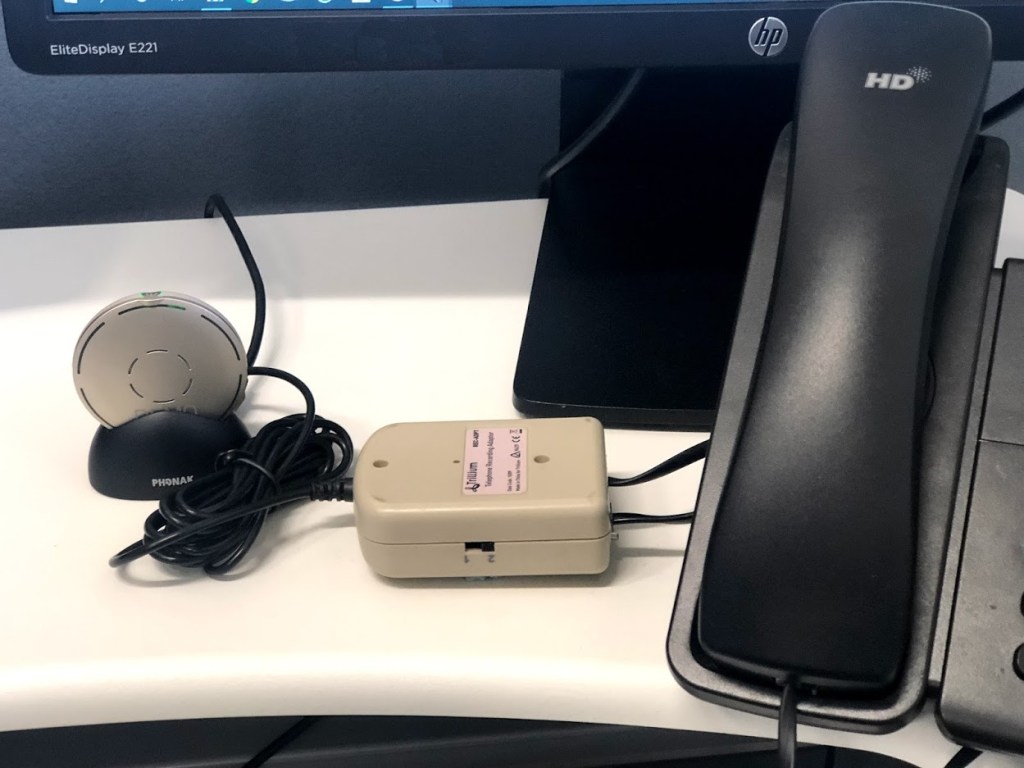
Phones used to be a nightmare for me. I’d avoid answering them unless I absolutely had to. That changed when I discovered the telephone recording adapter—a simple device that channels the sound from a phone handset or headset directly into my hearing aid or cochlear implant via a streaming accessory.
It was a game-changer. I went from dodging phone calls to actually volunteering to work in the noisy teleaudiology call centre at the Blamey Saunders hears clinic. (I dive into that story more in my post “Why I Once Chose to Work in a Noisy Teleaudiology Centre”.)
Even now, with the clarity I get from my cochlear implant and hearing aid, I still like having the adapter connected to my office phone. Because let’s be honest—you never know when you’re going to get someone on the line with a truly terrible phone voice.
📱 Today’s Options: From Bluetooth streamers to direct-to-device apps, the tech is better than ever. Ask your audiologist what works with your current setup.
🖥️ Mini-Mic 2+, TV Streamer & Phone Clip: True Wireless Trio
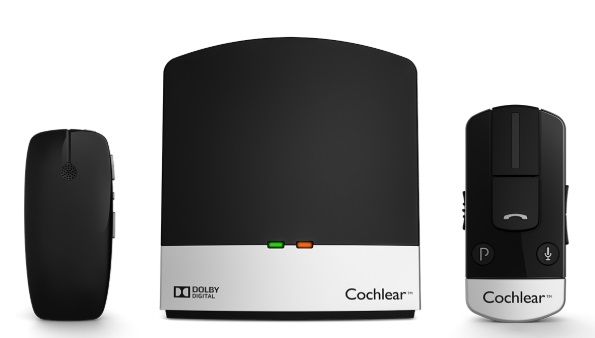
These days, I rotate between three key tools depending on the situation. Each one helps me hear more clearly and stay connected—whether I’m at work, out socialising, or relaxing at home. Because I am bimodal (hearing aid in one ear and cochlear implant in the other), I need wireless solutions that can stream to BOTH ears!!
Mini Microphone 2+
This compact little device goes everywhere with me. It fits in my pocket and comes out the moment I need a bit of extra help. Whether I’m in the car, at a café, or sitting around a noisy table, it streams voices and environmental sounds directly to both my hearing aid and cochlear implant. It’s brilliant at cutting through the clutter and helping me focus on the voices I actually want to hear.
One-on-One Conversations
When I’m dining with someone or having a focused chat, I’ll simply clip the Mini Mic 2+ to their collar or shirt. It’s lightweight, discreet, and makes an immediate difference in clarity. I can stay present in the conversation without constantly straining to catch every word.
Group Situations
In group settings—like face to face meetings or roundtable discussions—I place the Mini Mic 2+ in the centre of the table. It picks up multiple voices and streams them straight to my devices, helping me keep up with the conversation, even when there’s background noise or cross-talk.
Workplace Connectivity
At work, I take things a step further. I connect the Mini Microphone 2+ directly to my computer for video conferences, which streams the meeting audio directly to my hearing aid and cochlear implant. It makes following along far less exhausting.
For phone calls via my desk phone, I plug the Mini Mic into my telephone recording adapter. This setup streams the audio from calls straight into my devices with crystal-clear quality—no more struggling to catch what’s being said over a handset.
This simple combination has transformed how I work. I can fully participate in meetings, phone calls, and virtual discussions without missing a beat.
On top of all that, the Mini Mic 2+ also connects to other audio sources like TVs, Hi-Fi systems, loop systems, and FM systems, making it one of the most versatile tools I own.
TV Streamer
This device has completely changed how I watch TV. It’s hooked up to my television via an optical cable, and with the press of a button, the sound is streamed straight to my hearing devices. It’s like having a private cinema.
As someone who loves creepy movies, this means I can binge-watch late into the night with the TV speakers muted—without waking the house or freaking out the family. The sound quality is crisp and immersive, and I don’t have to crank the volume or rely on subtitles just to follow what’s going on. It’s made watching TV enjoyable again.
Phone Clip
This lightweight, portable clip makes phone calls and media streaming effortless. The Phone Clip makes calls and streaming from my mobile effortless. I can leave my phone in my pocket, clip the device to my shirt or hang it on a lanyard, and stay completely hands-free. It allows me to:
- Stream phone calls directly to my hearing devices
- Listen to music or videos from my smartphone or tablet
- Use voice commands on my phone without even touching it
Whether I’m at work, on the move, or relaxing at home, this little tool gives me control and freedom over how I hear and interact with the world around me.
Wait! What? Don’t your hearing aid and cochlear sound processor have Bluetooth streaming?
Yes—of course they do. But here’s the thing: sometimes, I don’t want constant streaming from my phone. With built-in Bluetooth, audio can start streaming the moment I tap a video or get a call, whether I want it to or not.
That’s why I love using the Phone Clip. It gives me the power to choose when to stream. I can turn it (and Bluetooth) on and off as needed. No interruptions. No surprises. Just control, when I want it.
🧠 Pro Insight: Layering devices means I tailor support to my needs in the moment—something static tech can’t do.
📌 FYI: Phonak’s Roger On does everything the Mini Microphone 2+ and TV Streamer do, all in one device!
⌚ Apple Watch: A Surprisingly Helpful Companion
The Apple Watch isn’t marketed as an assistive listening device—but for me, it’s quietly become one of the most useful tools in my day-to-day life with hearing loss.
At first, I got it for the usual reasons: fitness tracking, quick access to messages, and the ability to glance at my calendar. But I quickly realised just how helpful it was in managing my hearing challenges—especially in environments where sound cues alone aren’t enough.
The haptic feedback (that gentle tap on the wrist) means I never miss a text, email, or important calendar reminder. It’s discreet, reliable, and incredibly helpful when I’m not wearing my hearing aids or cochlear implant—like first thing in the morning or when I’m working out.
It’s also become my go-to for silent alerts. In noisy settings where I’d normally struggle to hear my phone vibrate or ring—or in quiet places where I don’t want my phone to make a sound, or simply just getting woken up in the morning—the Apple Watch steps in. A subtle tap, and I’m instantly aware of what’s happening.
One of the most practical features? Using it as a remote control for my hearing devices. I can adjust the volume or switch between programs right from my wrist, without fumbling with buttons or digging out my phone. It’s especially handy during meetings, at the cinema, or in social situations if I don’t want to draw attention.
It may not have been designed with hearing loss in mind, but the Apple Watch has absolutely earned its place in my personal hearing toolkit. For anyone navigating hearing loss, it’s one of those “bonus” tools that quietly makes life a whole lot easier.
🚨 Bellman Alert System: Because Safety Matters Too
When you live with hearing loss, there’s a lot you learn to adapt to—but some things should never be left to chance. Home safety is one of them.
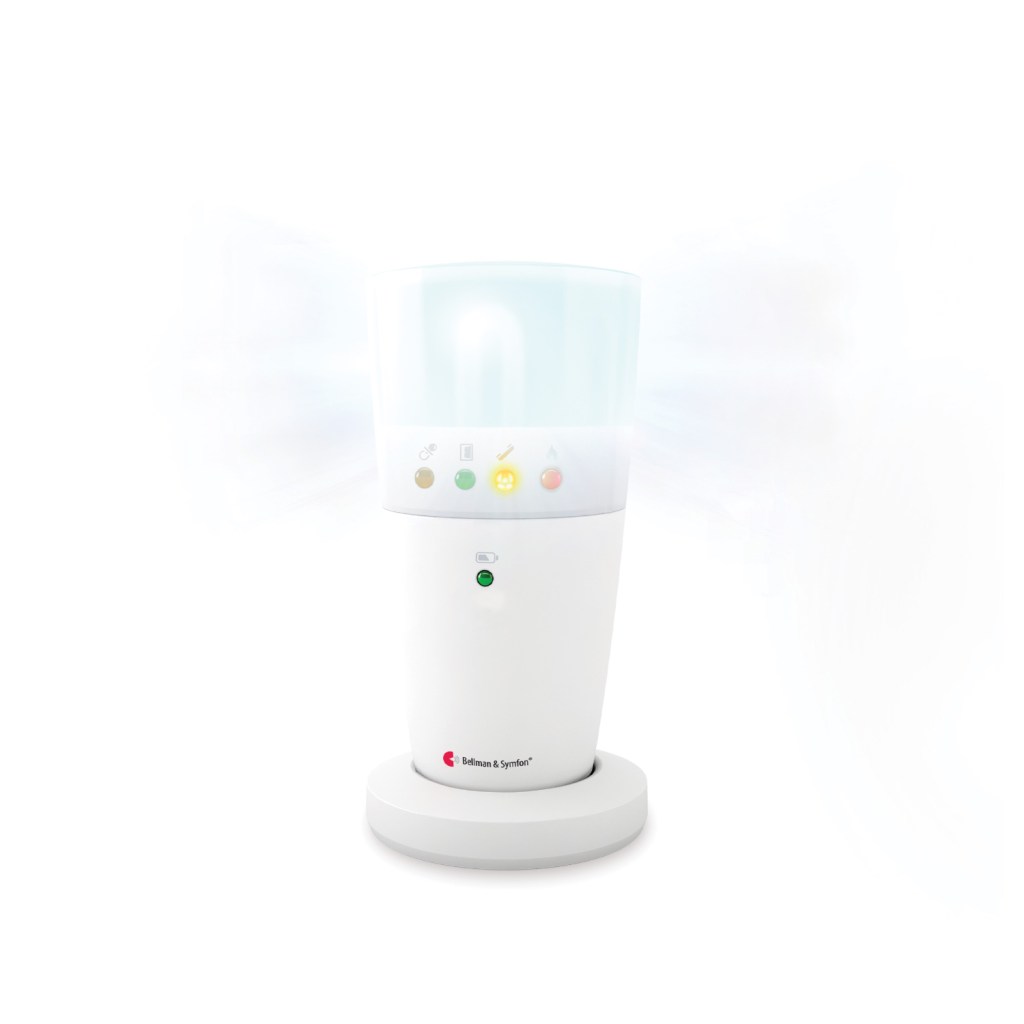
For me, the Bellman & Symfon Alert System became a non-negotiable part of my daily life, especially at home. It’s designed specifically for people with hearing loss, offering a network of smart, connected alert devices that use vibrations, flashing lights, and sound to grab your attention when you can’t rely on your ears (or the good hearing of your spouse).
Before I had this system, I was always uneasy about the “what ifs.” What if the smoke alarm goes off at night and I don’t hear it? What if someone knocks on the door while I’m not wearing my hearing devices? That constant low-level anxiety is something a lot of us with hearing loss live with.
The Bellman system changed all that.
At night, I use the bed shaker linked to the smoke alarm. If there’s danger, it wakes me up immediately. During the day, a flashing strobe light connected to the doorbell and phone alert means I never miss a visitor or an important call—even if my hearing aids or cochlear implant are out of my ears.
It’s not just a single device—it’s a modular system, so you can choose the alerts that suit your lifestyle. Whether you have trouble hearing the doorbell, smoke alarm, the telephone or a crying baby, everything connects wirelessly, and it’s incredibly easy to set up. There is even an alarm clock that can wake you via visual and tactile stimulus.
🏠 Home Safety Tip: Don’t overlook visual alert systems. They’re not just helpful—they’re lifesaving.
🏠 Real talk: If you’ve ever worried about your safety or independence at home due to your hearing, this system is a lifesaver—literally. It gives peace of mind not just to me, but to my family as well.
The Bellman Alert System might not be flashy or high-tech in the usual sense, but it’s one of the most practical and essential tools I own. Because being safe—and feeling safe—isn’t optional.
Final Thoughts: Technology Is a Bridge—Not a Crutch
As someone who both lives with hearing loss and works professionally in hearing health, I’ve seen first-hand how the right device at the right time can lift a person out of isolation.
Assistive listening devices won’t “fix” hearing loss—but they can give back access, confidence, and control. If any of the tools I’ve mentioned resonate with your own struggles, you’re not alone, and there’s help out there.
If you’re unsure where to begin, speak to your audiologist—or reach out to someone who’s walked the road. Like me.






 Talking Hearing Loss
Leave a comment