Beyond the Audiogram : Lessons from both sides of the desk
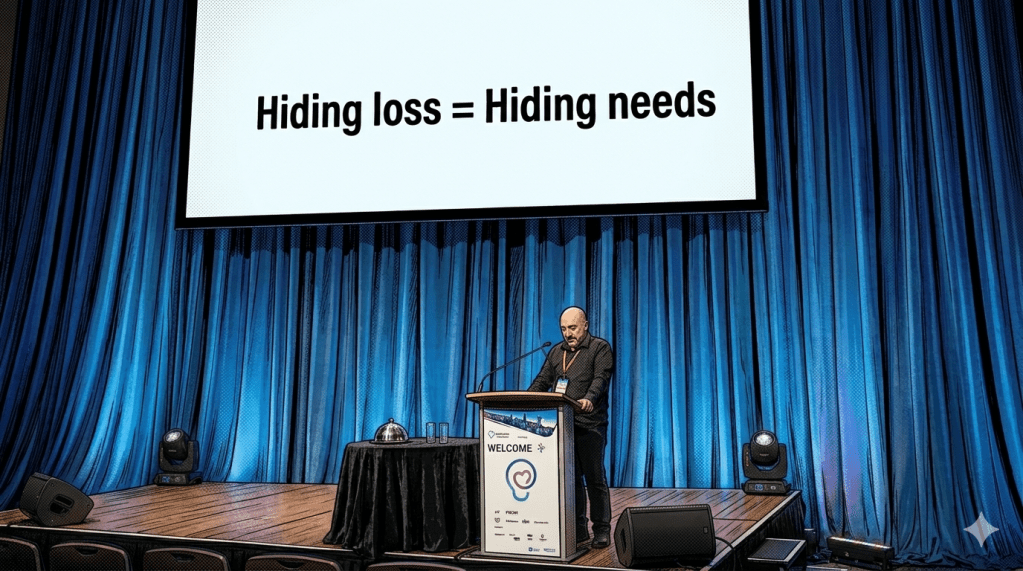
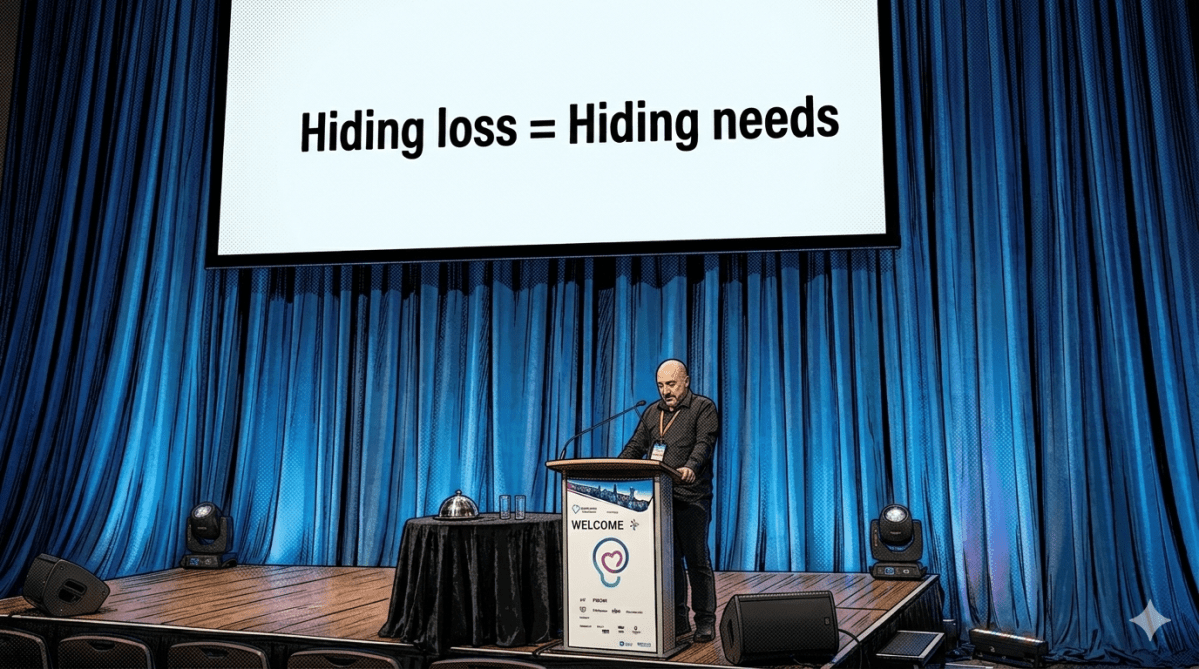
On April 23, 2026, I presented at the Australian College of Audiology Conference, sharing my personal experiences with hearing loss as both a patient and clinician. I emphasized the distinction between measurable hearing capabilities and the daily challenges faced, highlighting the importance of understanding and advocating for those with hearing loss in clinical settings.
“Endless Ringing” (A Song About Tinnitus)
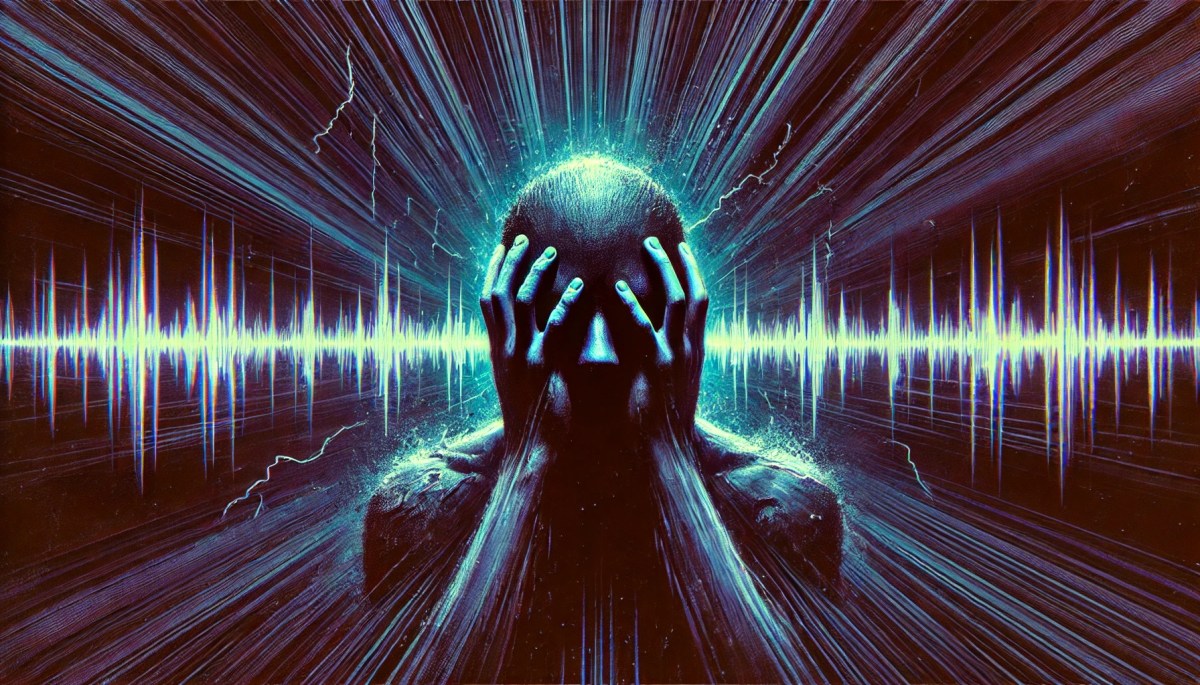
A song that depicts the profound struggle of a woman tormented by relentless tinnitus that overshadows her existence. Despite seeking peace, she finds only despair, as medical professionals dismiss her plight. The repeated cries for help emphasize her isolation and desperation, longing for relief from the haunting sound that dominates her life.

Holidaying with hearing loss: How to travel confidently without missing out
Facing the fun chaos at Aqua Park with my kids was a real dilemma—should I wear my cochlear implant aqua kit and risk losing it in the water, or just go without and miss out on the sounds? Traveling with hearing loss comes with challenges, but it shouldn’t stop you from enjoying experiences. Just stay…
Hearing loss news from Healthy Hearing
Hearing News from The Hearing Review
- CareCredit has introduced "CareCredit Pay Later," a fixed-APR installment loan product that gives audiology patients a defined-payoff alternative to revolving credit. Accessible through a single digital application, the new option aims to help practices improve payment transparency and reduce cost-related treatment delays for hearing technology.
- MVP's ChatMVP is an AI-powered business analyst that allows hearing care practice owners and managers to query their performance data using plain language.
- Otometrics, the hearing and balance division of Natus Sensory, has introduced the Aurical IQ platform, featuring a guided workflow and NAL-NL3 integration designed to accelerate fitting times and improve clinical accuracy.
- Cochlear Limited's Nucleus Nexa System has been named to TIME’s Best Inventions of 2026 list for its innovative, upgradeable internal firmware.
- Introducing the Medicare Dental, Vision, and Hearing Benefit Act renews a legislative push to add hearing aids and exams to traditional Medicare coverage for more than 66 million Americans.
Hearing loss news from ScienceDaily
- Scientists have uncovered a surprising cause of age-related cognitive decline involving brain cells previously thought to be entirely beneficial. As these cells become dysfunctional, they can produce abnormal amounts of myelin, disrupting nerve fibers and potentially contributing to worsening memory and thinking skills.
- Scientists have discovered that unusually small cancer cells carrying extra chromosomes can be far more aggressive than larger ones, growing faster, spreading more readily, and resisting common treatments. The surprising finding could help explain why some tumors are especially dangerous and provide a new way to predict cancer outcomes.
- A 47-year study has uncovered a surprising turning point in physical aging: fitness and strength begin declining around age 35, even among people who exercise regularly. Researchers found that this decline accelerates as people get older, but starting to exercise in adulthood can still improve physical performance.
- Cancer immunotherapy can lose its punch when tumor-fighting T cells become exhausted, but researchers may have found a way to keep them going longer. Scientists at Memorial Sloan Kettering Cancer Center identified a signaling molecule called MEK that can push T cells to burn through their energy while producing cancer-killing proteins. In animal and laboratory […]
- A large health-record analysis found that glucosamine use was associated with a 25% higher likelihood of mild cognitive impairment progressing to dementia. Lab experiments suggest the popular joint supplement may intensify an abnormal sugar-tagging process in the Alzheimer’s brain, although researchers say clinical trials are needed to determine whether it actually causes harm.
Hearing loss facts
Hearing loss is a global and national health crisis. It is an often misunderstood disability that has some very inaccurate stigmas attached to it. For the majority affected by hearing loss, the main difficulty comes from a lack of clarity of speech, especially when there is any background noise.
Hearing Loss does not only affect the elderly
- According to the World Health Organization, over 360 million people worldwide have disabling hearing loss.
- One in six Australians is affected by hearing loss. With an ageing population, this is expected to increase to one in four by 2050.
- Of the one in six affected, most believe their own hearing is fine. Around two in five say their hearing is “very good” or “almost perfect”, while one in four say their hearing is below average.
- Only 20% of the Australians who could benefit from a hearing aid actually use one.
- Nearly 40% of the hearing loss experienced by individuals was caused by Noise-induced Hearing Loss; this is preventable and repeated exposure to loud noise.
- In 2010, the National Acoustic Laboratories published the Binge Listening Report which revealed young Australians have a greater risk of acquiring a hearing loss through their leisure activities, (listening to music through headphones, regularly going to nightclubs and live music concerts)
- Nearly half of Australians is affected by hearing loss were working age (16-64 years)
- It roughly takes seven to 10 years, on average, before someone with hearing loss seeks treatment for it.
The effects of untreated hearing loss
Studies have linked untreated hearing loss effects to:
- Irritability, negativism and anger
- Fatigue, tension, stress and depression
- Avoidance or withdrawal from social situations
- Social rejection and loneliness
- Reduced alertness and increased risk to personal safety
- Impaired memory and ability to learn new tasks
- Reduced job performance and earning power
- Diminished psychological and overall health
Words describing deafness and hearing loss
There are no rights and wrongs about the words used to describe a person’s hearing loss. However, generally accepted definitions are as follows:
- Deafened – people who were born with hearing and have lost most or all of their hearing later in life.
- Hard of hearing – people who have lost some but not all hearing.
- deaf (lower case ‘d’) – people who have hearing loss; they may be born deaf or become deaf. They mix well in the hearing world and may communicate orally and may also be users of sign language.
- Deaf (upper case ‘D’) refers to people who are members of the Deaf community and who communicate almost exclusively with sign language.
- Hearing impaired – anyone with any level of hearing loss.
- Acquired hearing loss – people who were born with hearing but have lost some or all of their hearing.
- Congenital hearing loss – born with hearing loss which may become progressively worse
There a number of noteworthy past and present people in music, movies, and media who suffer from hearing loss
- Angus Young – Musician (AC/DC)
- Barbara Streisand – Actress
- Bill Clinton – Past U.S president
- Halle Berry – Actress
- Paul Stanley – Musician (KISS)
- Mark Ruffalo – Actor
- Stephen Colbert – Comedian
- Osher Günsberg – Television Presenter (The Bachelor Australia)
- Thomas Edison – Inventor
- Rob Lowe – Actor
- Millie Bobby Brown – Actress (Stranger Things)
- Eric Clapton – Musician
- William Shatner – Actor (Star Trek)
- Ludwig Van Beethoven – Composer
- Huey Lewis – Musician
- Whoopi Goldberg – Actress
- Lou Ferrigno – Body Builder/Actor (The Incredible Hulk)
- Robert Redford – Actor
- Jodie Foster – Actress