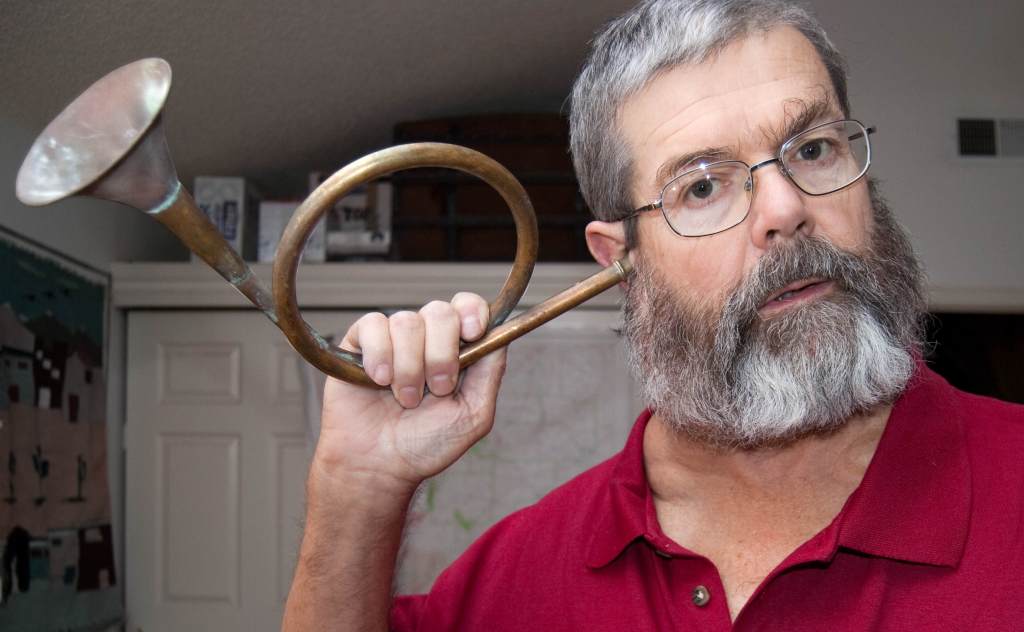
Living with hearing loss can be a real rollercoaster, and I’ve been on that ride for most of my life. What began as mild hearing loss in my teens later evolved into severe to profound hearing loss by the time I hit my forties. I’ve learned a lot along the way, and one lesson stands out: sometimes, hearing aids just aren’t enough.
Now, don’t get me wrong—I rely on my hearing aid (and my trusty cochlear implant) every single day. They’re as much a part of me as my actual ears. Without them, I wouldn’t hear the world around me, let alone have a conversation. And, having worked for the past 10 years as a Hearing Care Profesional, a role that exposes me to the constant evolution of hearing technology, I’ve seen firsthand how these devices change lives. But as great as hearing aids are, they have their limits, and over time, I found myself needing more.
For years, I was completely deaf in one ear. Slowly but surely, I noticed everyday situations becoming harder, even with my hearing aid cranked up. When watching TV I started relying on subtitles because I missed half the dialogue. During social gatherings I was constantly playing catch-up in conversations. In meetings at work I’d ask a question only to be told, “We just covered that!” Even phone calls became a guessing game, and I was missing important sounds like alarms or the doorbell.
I tried getting my hearing aids adjusted, and while that helped a bit, it wasn’t enough to keep up with life. Then came the game-changer—a remote microphone that streamed sound directly to my hearing aid!! It felt like rediscovering a lost world! Since then, I’ve made it a point to always have a compatible remote microphone whenever I upgrade my hearing aids. And just like that, I dove into the wonderful world of assistive listening devices (ALDs).
ALDs come in all shapes and sizes. Some improve hearing by enhancing the signal-to-noise ratio, while others provide non-auditory alerts, like vibrations or flashing lights. And trust me, they can be life-savers! Here are some of my go-to gadgets:
- TV listening headphones/streamers – Perfect for hearing TV dialogue clearly without blowing out the eardrums of everyone else in the room.
- Telephones with extra volume control or captions – Because let’s be real, phone conversations can be tough!
- Devices that vibrate or flash when the doorbell rings or your alarm goes off – Super helpful if you tend to miss those.
- Vibrating alarm clocks – Goodbye, oversleeping!
One of the unexpected but most helpful devices I use is my Apple Watch. It may not be an official ALD, but it vibrates for every call, text, and notification. That means I don’t have to stress about missing my phone when it’s not in sight. My Cochlear MiniMic 2+ (Also known as the GN Resound Multi Mic) is another essential—at work, it streams directly to my hearing aid and cochlear implant, making it easier to hear calls and attend meetings via Teams.
But my absolute favorite ALD is the Phonak Roger On microphone. This little beauty is like the Swiss Army Knife for hearing aid users! It helps in so many scenarios—whether you’re in a noisy group, having a one-on-one chat, sitting through a meeting, or even just watching TV. It’s a total game-changer.
The truth is, even with hearing aids, there are times when hearing can still be a challenge. But that doesn’t mean it’s hopeless! Often, the answer is finding the right assistive device to bridge the gap. And when you find that perfect tech companion, it’s like opening the door to a whole new world of sound.
This post was originally published 4th December 2018






 Talking Hearing Loss
Leave a comment